Wondering which Ridgewood house style actually fits your next move? If you are moving up in budget, space, or expectations, the right answer is not just about square footage. In Ridgewood, architecture, condition, renovation quality, and historic rules can all shape your daily life and your long-term costs. This guide breaks down the main housing styles you are likely to compare so you can shop with more clarity and confidence. Let’s dive in.
Why Ridgewood feels distinct
Ridgewood stands out because its housing stock is still largely made up of older detached single-family homes. According to the village master plan, 79.4% of housing units are 1-unit detached, and 35.7% were built in 1939 or earlier. That gives the village a strong sense of architectural continuity that many move-up buyers find appealing.
The same planning documents note that most residential areas were largely built out by 1970. Later growth added mid-century split-level homes on remaining open land rather than large new subdivisions. In practical terms, that means your options often come down to older homes with character, updated older homes, or rebuilt homes rather than broad neighborhoods of newer construction.
That distinction matters in today’s market. Redfin reported a Ridgewood median sale price of $1,164,399 in April 2026, while Realtor.com reported a $1.70 million median list price in late May 2026. Since those are different data snapshots, they are best used as directional context, but they still reinforce the same point: Ridgewood is a competitive move-up market where style and condition can materially affect value.
Why style matters for move-up buyers
When you move up, you are usually buying more than a home. You are buying layout, upkeep, flexibility, and resale potential. In Ridgewood, the style of a home often tells you a lot about those factors before you even step inside.
A classic Colonial may offer a more familiar room-by-room layout. A Tudor may deliver standout curb appeal and original details, but also more exterior maintenance. A rebuilt home may check the box for open-plan living and lower near-term repair needs, yet come at a premium because newer inventory is limited.
Colonial homes in Ridgewood
What defines a Colonial
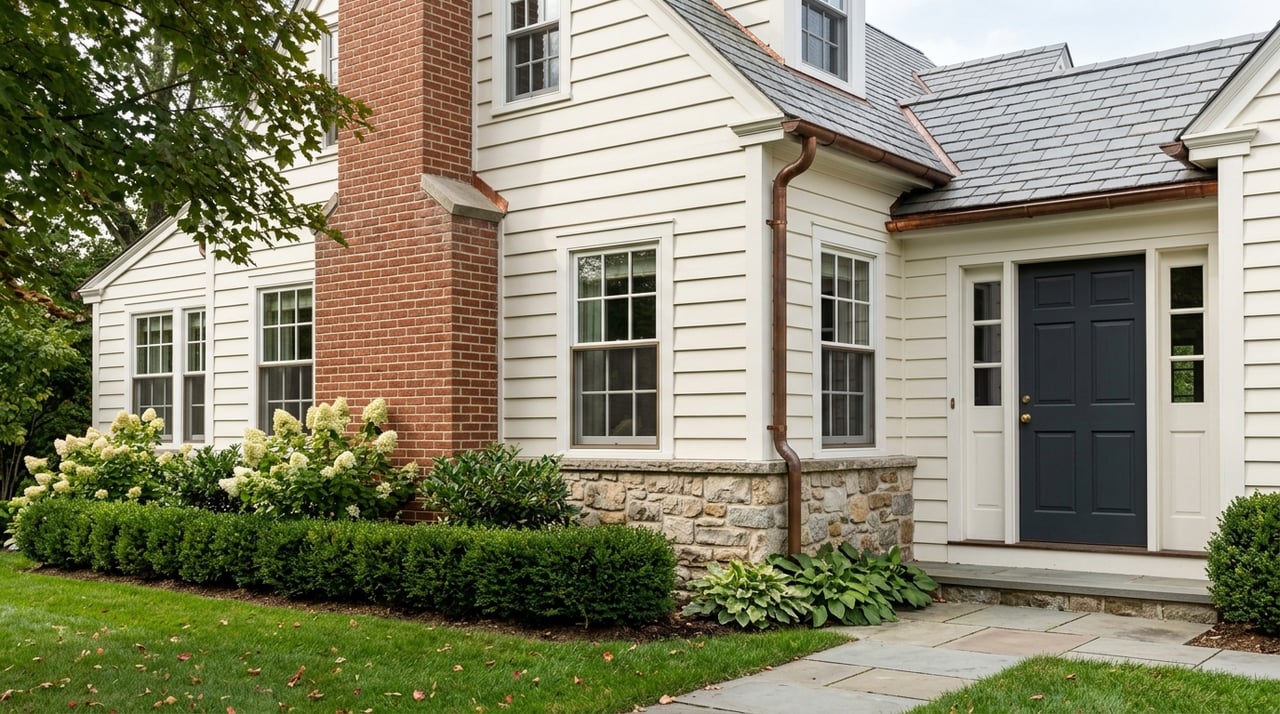
Colonial Revival homes typically borrow from early American design and often feature symmetrical facades, side-gabled roofs, and classically inspired entry details. The National Park Service also notes that Dutch Colonial Revival homes are especially recognizable by their gambrel roofs. Ridgewood’s local preservation records specifically identify Dutch Colonial Revival examples in the Heights Historic District.
In day-to-day living, Colonials often feel straightforward and easy to understand. Many buyers like the clearer room separation compared with newer open-concept homes. That can work well if you want defined living, dining, office, or play spaces.
Why Colonials appeal to move-up buyers
Colonials tend to have broad resale appeal because the look is familiar and the layouts are usually practical. In a village with deep historic housing stock, that combination can make a well-updated Colonial a comfortable middle ground between charm and functionality. For many move-up buyers, it is the style that feels easiest to furnish, maintain, and grow into.
That said, condition matters more than label alone. If a Colonial still has older windows, original trim, or historic roofing materials, your maintenance and replacement costs may be higher. Slate, for example, is durable but can be expensive to replace.
Tudor homes in Ridgewood
What defines a Tudor
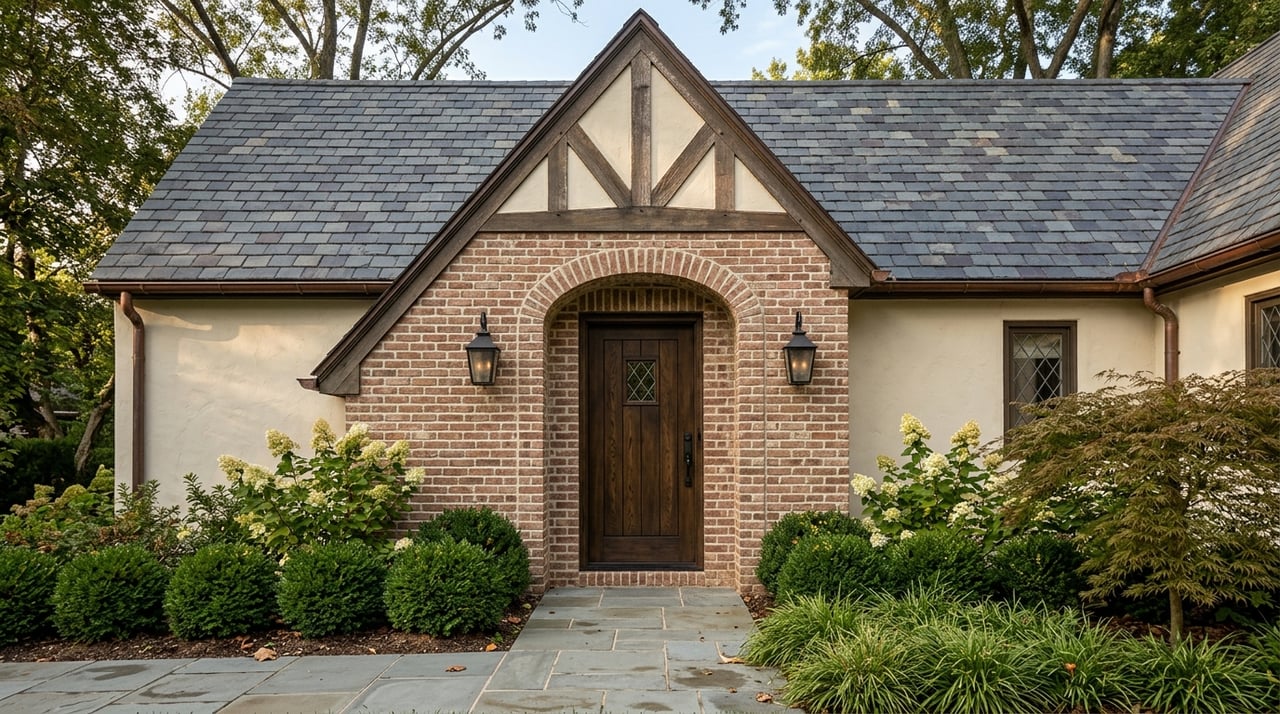
Tudor Revival homes are one of Ridgewood’s most recognizable historic styles. The National Park Service identifies steeply pitched roofs, tall narrow windows, arched doorways, asymmetrical facades, and prominent chimneys as key traits. Ridgewood’s Heights Historic District also includes examples with multi-gabled slate roofs, half-timbering, stone-framed entrances, and a mix of stucco, brick, and stone.
From the street, Tudors often deliver the strongest visual character. They can feel textured, layered, and highly individual in a way that newer homes rarely do. If curb appeal is a major part of your decision, this style often rises to the top.
What buyers should budget for with Tudors
The same features that give a Tudor its charm can also increase upkeep. Slate roofs are durable, but replacement can be costly. Chimneys, masonry, and exterior materials may also require more specialized maintenance than a more straightforward home.
For move-up buyers, the question is usually not whether a Tudor is beautiful. It is whether you are comfortable taking on the maintenance profile that often comes with that beauty. A fully renovated Tudor can compete near the top of Ridgewood’s older-home market, while an unrenovated one may trade lower than a more turnkey option.
Farmhouse-era homes in Ridgewood
What defines a farmhouse-era property
Ridgewood’s earlier farm history still shows up in local records. The village water department describes Cedar Hill as the site of the former Daniel Rutan House, a colonial farmhouse, before the land was repurposed in the 1930s. While true farmhouse-era survivors are limited, they remain part of the village’s housing story.
These homes often attract buyers who want older charm without the exact feel of a formal Colonial or Tudor. You may find broader lots, more irregular room arrangements, and layouts that reflect additions made over time. That can create a home that feels unique and flexible, especially when updated thoughtfully.
What to watch in a renovated farmhouse
Farmhouse-era homes can be very appealing when they are turnkey, but they often require more careful due diligence. Hidden or deferred items may include foundation work, insulation, windows, drainage, and mechanical systems. Because the layout may have evolved over decades, it is especially important to look beyond finishes and evaluate how the home functions today.
The upside is that renovated examples can command a premium because they are scarce. In a built-out village like Ridgewood, limited supply can make distinctive, well-executed properties stand out.
Newer and rebuilt homes in Ridgewood
What “newer” usually means here
If you are hoping for new construction, Ridgewood may surprise you. The village master plan notes that postwar growth added split-level homes on remaining open land, not large tracts of brand-new homes. So in Ridgewood, “newer build” often means a rebuilt home or a property that has been extensively updated rather than a house in a new subdivision.
That matters because the newer-stock segment is relatively thin. When buyers want open kitchens, larger primary suites, attached garages, and fewer immediate repairs, they are often competing for a limited set of listings.
Why rebuilt homes command attention
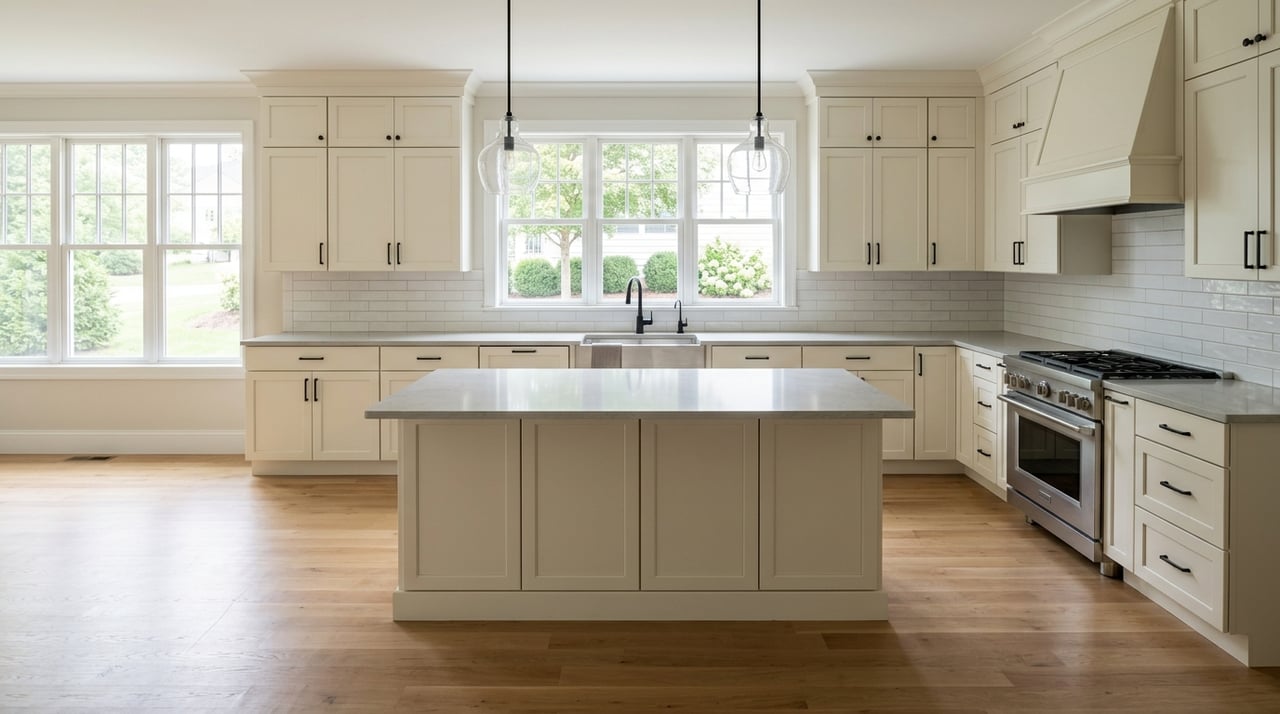
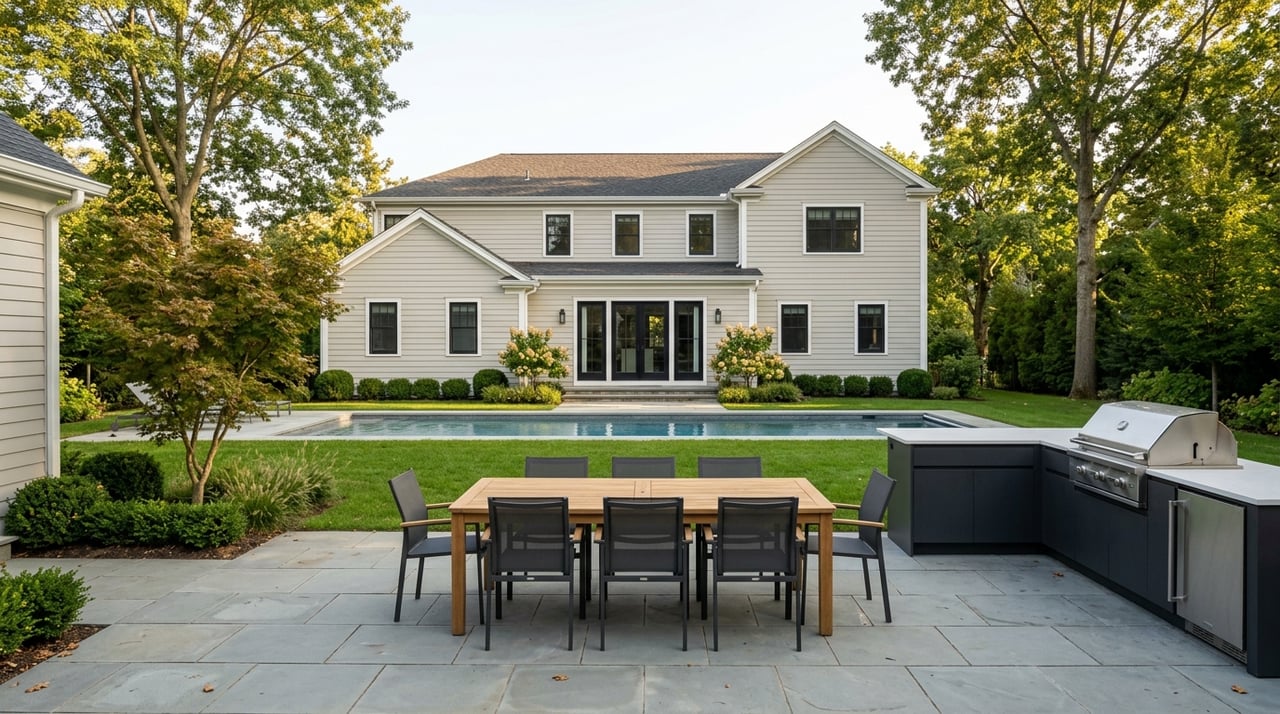
For many move-up buyers, rebuilt and extensively updated homes solve several pain points at once. They tend to offer the open-plan living, storage, and everyday convenience that older layouts may lack. They also often reduce the near-term surprise factor around major systems and deferred maintenance.
Because that combination is hard to find in Ridgewood, these homes often sit near the top end of the local price range. You are usually paying not just for size, but for turnkey condition and modern functionality.
Historic review can affect your plans
In Ridgewood, renovation decisions are not only about design and budget. The village’s Historic Preservation Commission reviews work in historic districts and historic sites. The village permit application also states that a historic preservation permit is required for certain work within a historic district or on a historic site before work begins.
If you are buying a home with plans to replace windows, alter exterior materials, change roofing, or make visible additions, this step is important. It does not mean you should avoid older homes. It simply means your renovation timeline and costs may look different from what you would expect in a non-historic setting.
Ridgewood compared with nearby Bergen County towns
For move-up buyers looking across Northern Bergen County, Ridgewood often lands in a useful middle position. Redfin reported April 2026 median sale prices of $1,074,445 in Glen Rock, $1,329,314 in Ho-Ho-Kus, $2,086,423 in Upper Saddle River, and $2,893,506 in Saddle River. Ridgewood’s reported median sale price of $1,164,399 places it above Glen Rock and below the higher-priced estate-oriented markets.
That middle-ground position helps explain why Ridgewood attracts buyers who want an established village setting and a deep inventory of classic housing styles without jumping to the pricing levels seen in some larger-lot luxury towns. It is still a competitive market, but it offers a broader mix of architectural choices than many buyers expect.
How to choose the right style for your next move
Choose a Colonial if you want balance
If your priority is a familiar layout, broad resale appeal, and classic curb appeal, a Colonial is often the safest fit. It can give you a traditional floor plan with fewer stylistic surprises. For many move-up buyers, that balance makes the search easier.
Choose a Tudor if you want character
If you love architecture and want a home with presence, a Tudor may be the right move. Just go in with open eyes about roof, chimney, and masonry costs. The style can be incredibly rewarding when the maintenance profile fits your budget.
Choose a farmhouse if you want charm plus flexibility
If you want something less formal and more individual, a renovated farmhouse-era home can be a strong option. These homes often blend older character with more flexible interiors. The key is careful inspection and a clear understanding of what has, and has not, been updated.
Choose a rebuilt home if you want turnkey living
If your top priorities are modern layout, lower immediate maintenance, and move-in readiness, a rebuilt or extensively updated home may be your best match. In Ridgewood, those homes can command a premium because supply is limited. For some buyers, that premium is worth paying to avoid a long post-closing project list.
Your due diligence checklist in Ridgewood
No matter which style you prefer, the same practical checks deserve extra attention in Ridgewood:
- Roof type and approximate age
- Chimney and masonry condition
- Window replacement history
- Drainage and grading
- Insulation levels
- Mechanical system age and condition
- Any exterior work that may trigger historic-preservation review
In this market, style gets your attention, but condition and renovation quality often determine whether a home is truly the right fit. A beautiful facade is only part of the story.
If you are comparing homes in Ridgewood and nearby Northern Bergen County towns, having local guidance can make the tradeoffs much clearer. Claudia H. Sanchez offers a personalized, high-touch approach to help move-up buyers evaluate architecture, condition, market position, and long-term value with confidence.
FAQs
What housing style is most common in Ridgewood, NJ?
- Ridgewood is largely an older detached single-family market, with the village master plan reporting 79.4% of housing units as 1-unit detached.
Are Tudor homes in Ridgewood more expensive to maintain?
- They can be, especially when they include slate roofs, chimneys, masonry, and original exterior materials that require specialized upkeep.
Are there many new construction homes in Ridgewood, NJ?
- Ridgewood has relatively limited newer housing stock, so “newer” often means rebuilt or extensively updated rather than homes in large new subdivisions.
Do historic rules affect home renovations in Ridgewood?
- Yes, certain work in historic districts or on historic sites may require review by the Historic Preservation Commission and a historic preservation permit before work begins.
Which Ridgewood home style is best for move-up buyers?
- It depends on your priorities: Colonials often suit buyers who want broad resale appeal, Tudors fit those who value character, farmhouses can offer charm and flexibility, and rebuilt homes usually appeal to buyers seeking turnkey living.
How does Ridgewood compare with nearby Bergen County towns for pricing?
- Based on April 2026 Redfin data in the research, Ridgewood sits above Glen Rock’s median sale price and below Ho-Ho-Kus, Upper Saddle River, and Saddle River, which gives it a middle-ground position for many move-up buyers.