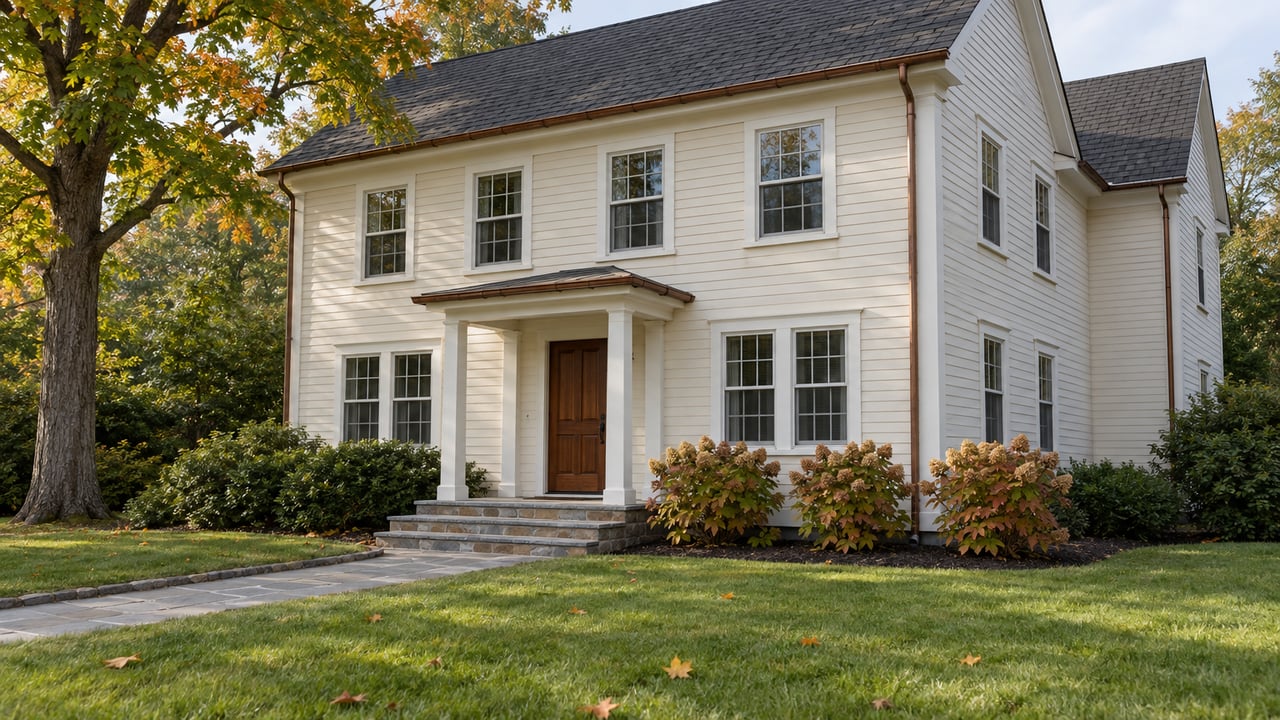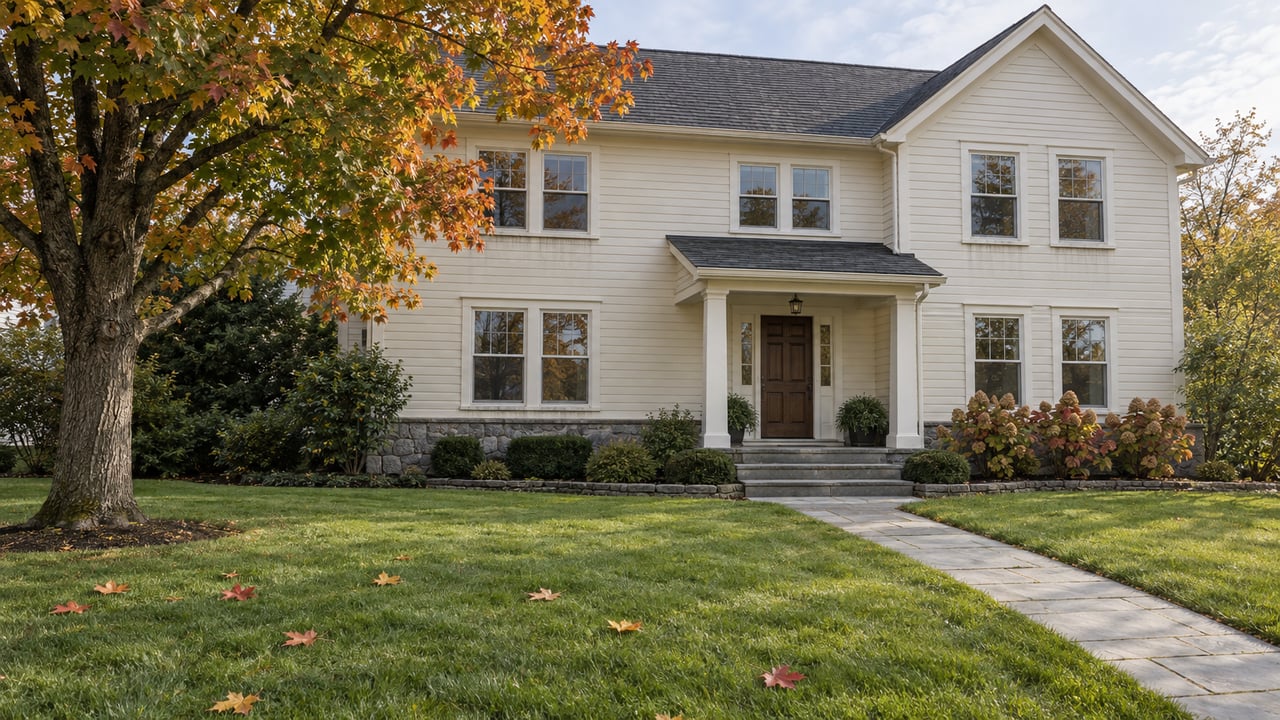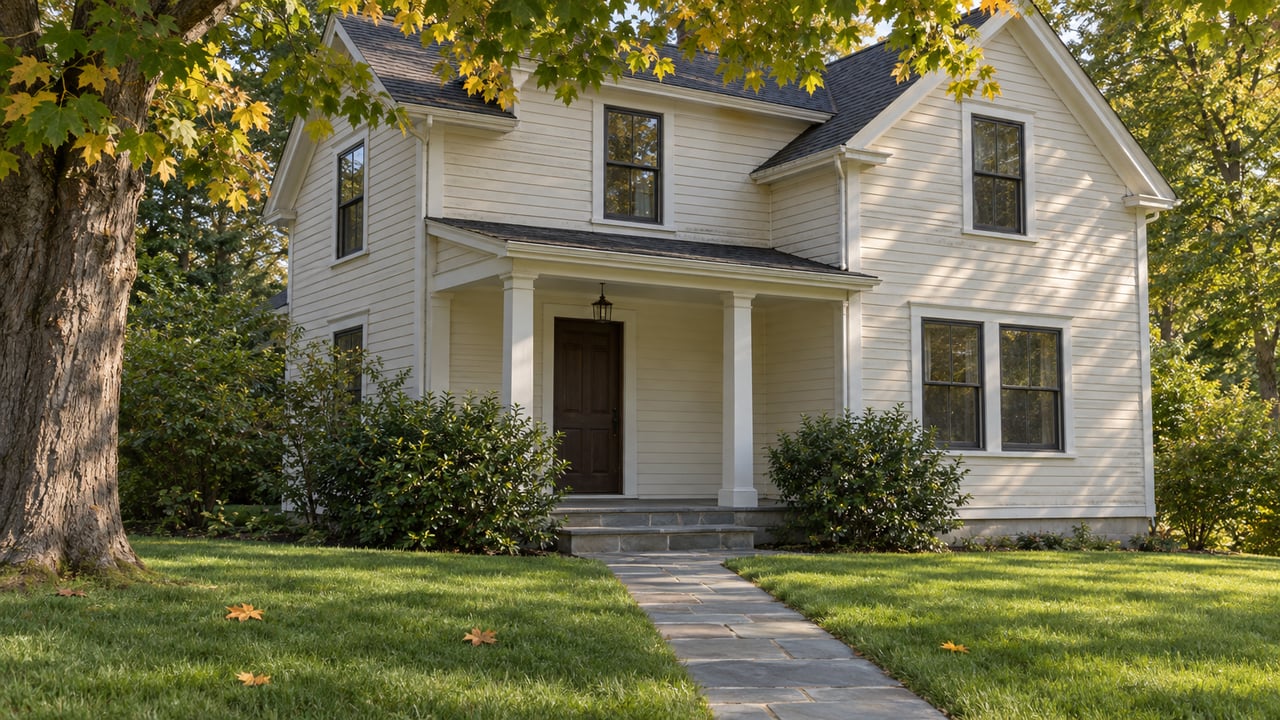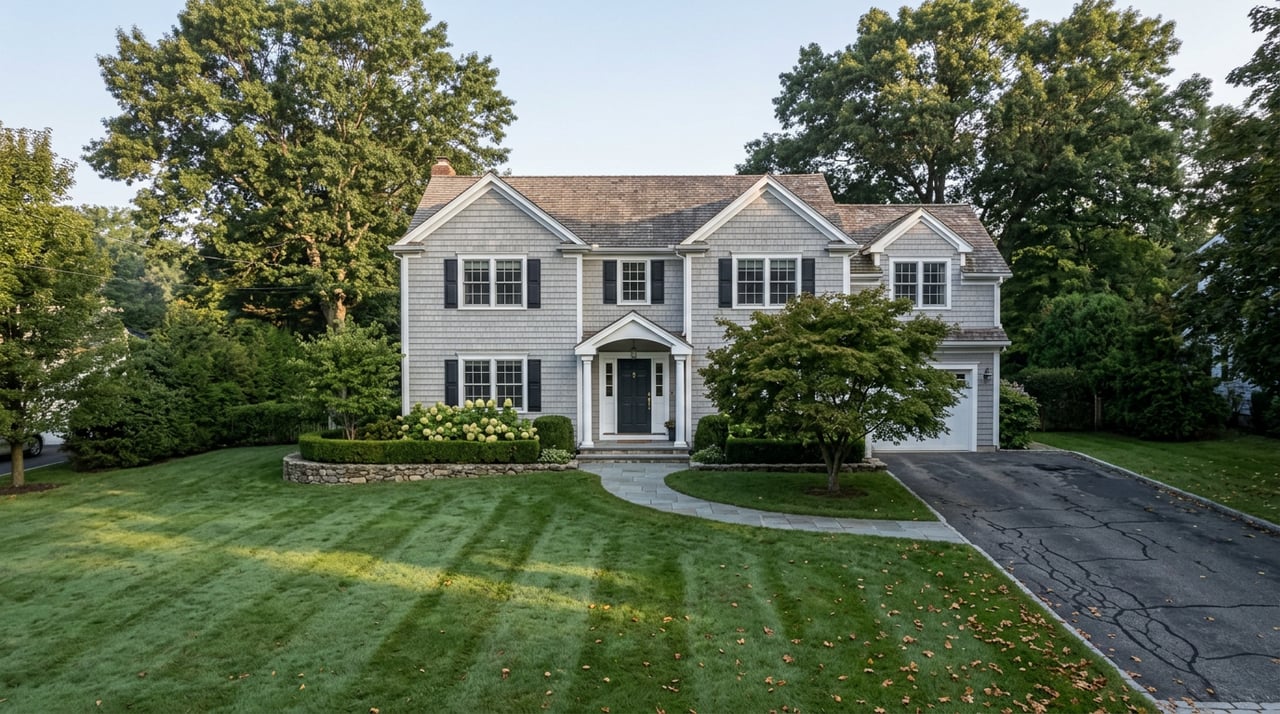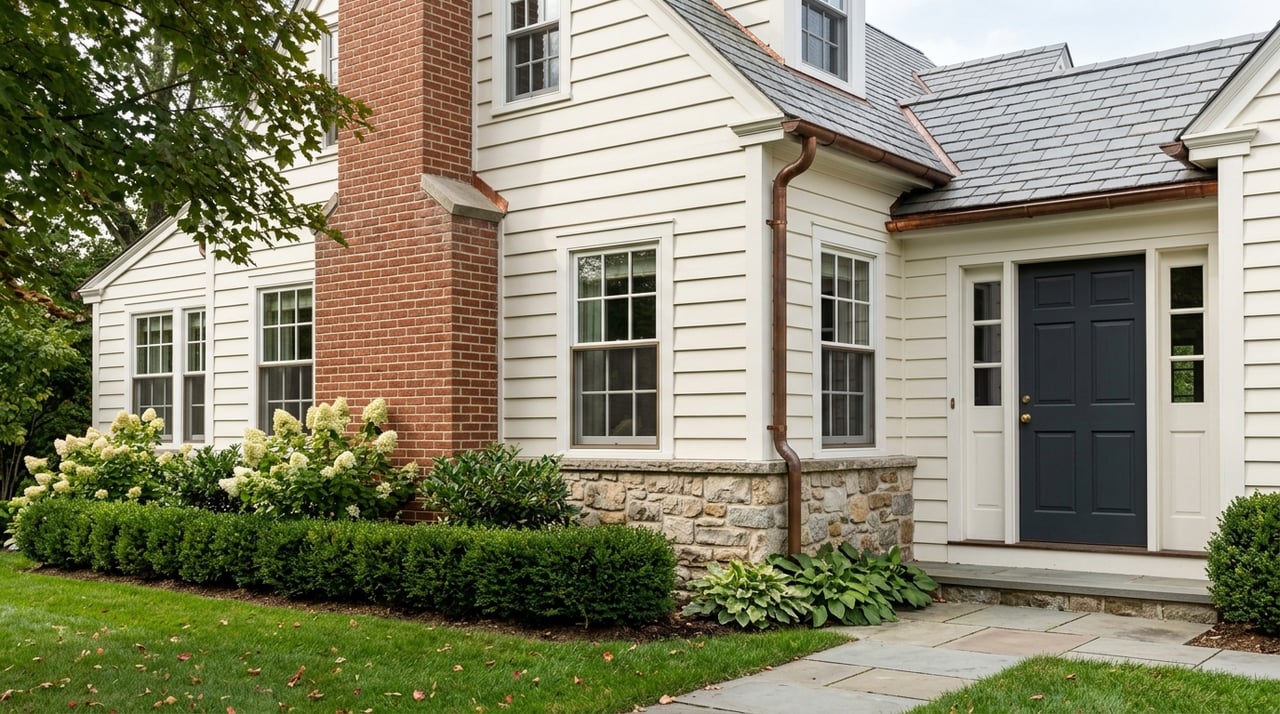
If you are drawn to an older home in Ho-Ho-Kus, you are not alone. Many of the borough’s homes offer the space, craftsmanship, and established setting that buyers want, but they can also come with hidden costs behind the charm. If you are considering one of these properties, it helps to know what to inspect, how to budget, and where local rules may shape your plans. Let’s dive in.
Why older homes stand out in Ho-Ho-Kus
Older homes are a major part of the Ho-Ho-Kus housing landscape. In the borough’s 2023 housing profile, 88.8% of the 1,532 housing units were single-family detached, and the median year built was 1957. Nearly 70% of the housing stock was built before 1970, and about 36% was built before 1950.
That age mix matters when you shop. You are often looking at homes with generous layouts, original architectural details, and substantial lot presence, but you are also likely weighing updates at the same time. The same housing profile reported a 2023 median owner-occupied home value of $1,032,800, along with a median of 8.3 rooms per unit, so many purchases here involve both acquisition cost and renovation planning.
Character is part of the appeal
Ho-Ho-Kus has long emphasized preserving established residential character, broad setbacks, open-space character, and historically significant structures. That local planning outlook helps explain why older homes continue to attract buyers who value homes with identity rather than a purely start-from-scratch approach.
You can also see that character in the variety of home styles noted in the borough’s planning documents. In areas such as Cheelcroft, the borough identifies styles including Brittany, Cape Cod, Dutch Colonial, English Tudor, English Cottage, Georgian, Modern Traditional, and Norman. For buyers, that means the market offers more than square footage alone. It offers architectural personality.
Focus on bones before finishes
When you tour an older home, it is easy to notice the hardwood floors, original trim, or charming staircase first. Those features matter, but your first budgeting priority should usually be the home’s shell and major systems.
A practical way to think about the purchase is to separate visible charm from hidden infrastructure. In New Jersey’s homebuyer guidance, the standard inspection checklist focuses on the roof, attic and visible insulation, walls, ceilings, floors, windows, doors, foundation, basement, heating, central air, plumbing, and electrical systems. In real terms, that is where your early attention should go.
Major systems to review early
Before you get too attached to cosmetic details, look closely at:
- Roof condition and age
- Attic ventilation and visible insulation
- Foundation condition
- Basement moisture or seepage
- Heating and central air systems
- Plumbing lines and water flow
- Electrical panel and wiring
- Window and door condition
If the house has strong bones and a manageable repair list, cosmetic updates can often happen over time. If the major systems are failing, the true cost of ownership can rise quickly.
Pay close attention to drainage and moisture
In Ho-Ho-Kus, moisture control deserves special attention. The borough’s master plan records repeated flooding along the Ho-Ho-Kus Brook and the Saddle River, including flooded basements and street flooding during multiple storms.
That does not mean every older home has a water issue, but it does mean you should ask careful questions. Basement dampness, grading, drainage patterns, sump pumps, and water management systems should be part of your review from the start.
Questions worth asking about water issues
You may want to ask:
- Has the basement ever taken on water?
- Are there sump pumps or other drainage systems in place?
- How does the yard direct water away from the house?
- Have there been prior repairs related to seepage or flooding?
- Will any planned improvements trigger local floodplain review?
A beautiful older home can still be a smart purchase, but moisture problems can affect both comfort and future renovation costs.
Schedule inspections early and thoroughly
Timing matters with inspections. A thorough, independent inspection should happen early enough for you to keep negotiating leverage.
Consumer guidance cited in the research report recommends scheduling the inspection as soon as possible, attending if you can, and using the findings to negotiate, request repairs, or cancel if the contract contingency allows it. Serious issues like a cracked foundation or major roof repair can affect closing, so you want clarity before moving too far forward.
What a basic New Jersey inspection covers
According to New Jersey’s homebuyer guide, a basic inspection visually reviews:
- Heating system
- Central air
- Plumbing
- Electrical systems
- Roof
- Attic and visible insulation
- Walls, ceilings, and floors
- Windows and doors
- Foundation and basement
- Visible structures
- Environmental concerns such as oil tanks
That gives you a strong overview, but it is not the whole picture for an older home.
Add age-related testing to your due diligence
With older homes, some issues require separate testing because they are not fully covered in a basic inspection. New Jersey’s homebuyer guide specifically notes termites, radon, lead paint, and asbestos as items that should also be checked.
These are not automatic deal-breakers. They are simply part of understanding what you are buying and what future work may require.
Lead paint in pre-1978 homes
Lead is one of the most important issues to understand in older properties. For most homes built before 1978, buyers have the right to know whether lead-based paint hazards are present before signing a contract.
New Jersey’s Department of Health also says owners should test paint before renovating homes built before 1978. If future work will disturb painted surfaces, lead-safe work practices by certified firms or renovators are especially important.
Asbestos requires a measured response
Asbestos can sound alarming, but the right approach depends on the condition of the material and whether renovation will disturb it. According to EPA guidance in the research report, intact suspect materials that will not be disturbed do not always require testing.
If the material is damaged, or if your renovation plans will disturb it, trained professionals should evaluate whether repair or removal is needed. That is one reason your renovation plan should be realistic from day one.
Match renovation plans to local rules
If you are thinking about additions, exterior changes, basement work, or larger rebuilding plans, confirm local requirements before finalizing your budget. Ho-Ho-Kus ties its zoning ordinance to the borough’s master plan, and its floodplain chapter includes development permits and flood-hazard standards.
For many buyers, this is where expectations need a reality check. The home may have plenty of potential, but not every idea will move forward on the timeline or budget you first imagine.
Why planning ahead matters
Before taking on major work, you should expect to coordinate with licensed professionals and the borough. That can help you understand:
- Whether permits will be required
- Whether floodplain rules apply
- How exterior changes may fit local standards
- What scope is practical for the property
In a town that values established character and historic features, thoughtful updates often make more sense than dramatic changes.
Preserve charm while improving comfort
The best older-home purchase in Ho-Ho-Kus is often not the most perfect house on day one. It is usually the home with solid bones, enough original detail to reward careful restoration, and an update list that feels manageable.
That approach fits the local context well. Ho-Ho-Kus planning policy emphasizes development that stays in character with established neighborhoods and preserves historic features, with design elements that fit the existing fabric.
For you as a buyer, that often means a smart sequence:
- Confirm the home is structurally sound.
- Address roof, systems, drainage, and safety concerns.
- Complete age-related testing where needed.
- Plan renovations that improve comfort without stripping away the home’s identity.
That balance is where older homes often shine. You get the warmth and presence that newer construction may not offer, while still shaping the house around how you live today.
If you are considering an older home in Ho-Ho-Kus, having local guidance can make the process feel much clearer. For personalized insight on properties, renovation considerations, and what to watch for in this market, reach out to Claudia H. Sanchez.
FAQs
What should you inspect first when buying an older home in Ho-Ho-Kus?
- Start with the roof, foundation, basement, heating, cooling, plumbing, electrical, windows, and insulation, because major systems and the building envelope usually have the biggest budget impact.
Why do moisture issues matter in older Ho-Ho-Kus homes?
- Ho-Ho-Kus planning documents note repeated flooding along the Ho-Ho-Kus Brook and Saddle River, so basement moisture, grading, drainage, and sump pump conditions deserve early attention.
What does a basic home inspection cover in New Jersey?
- A basic inspection visually reviews items such as heating, central air, plumbing, electrical, roof, attic, insulation, walls, ceilings, floors, windows, doors, foundation, basement, and visible structures.
What extra tests may be needed for an older home in Ho-Ho-Kus?
- New Jersey’s homebuyer guidance says buyers should also check for termites, radon, lead paint, asbestos, and environmental concerns such as oil tanks, because these are not fully covered in a basic inspection.
Why is lead paint important in older Ho-Ho-Kus homes?
- For most homes built before 1978, buyers have the right to know whether lead-based paint hazards are present before signing a contract, and paint should be tested before renovation work that may disturb old painted surfaces.
Should you renovate an older Ho-Ho-Kus home before checking local rules?
- No. Before planning additions, basement work, exterior changes, or rebuilding, you should confirm borough zoning, permit, and floodplain requirements so your scope and budget are grounded in local rules.